





Vaccines
Latest News
Advertisement
Latest Videos





CME Content





















































































































Advertisement
More News
This new indication for the bivalent respiratory syncytial virus prefusion F vaccine (Abrysvo) makes it the broadest currently available.
Important vaccine updates, including a second COVID-19 vaccine dose for adults 65 and older and immunocompromised individuals, a pneumococcal vaccine for adults aged 50 and older, and more.
A serious adverse event of motor neuropathy reported in September 2024 has resulted in a hold on the investigational new drug application.

The vaccine proved a cumulative efficacy of 62.9% against respiratory syncytial virus-related lower respiratory tract disease in older adults over three seasons.

A single dose of the mRNA-1273.222 vaccine demonstrated strong immune responses against various omicron subvariants and showed a favorable safety profile compared to existing vaccines.
An English modeling study suggests level of protection decreases only very slightly over time and reminds parents to have their children up to date on all vaccinations.
The findings are from a National Foundation for Infectious Diseases (NFID) survey showing many Americans are not thinking about flu, COVID-19, RSV, or pneumococcal disease, and many respondents do not plan to get vaccinated this fall.
The federal agency offers guidance for US clinicians and travelers to understand the disease better and employ preventative measures to reduce incidence rates.

Ammara Mushtaq, MD, discusses the underrepresentation of different races during the pandemic, but also the newer efforts to include and represent these communities in smaller, local studies.
The federal agency gave the nod to FluMist nasal spray to allows individuals to administer the vaccine themselves and as a caregivers to others.
The CSL and Arcturus Therapeutics’ vaccine, ARCT-154 (Kostaive), is designed to offer protection against the JN1 strain.

The International Society for Infectious Diseases (ISID) ProMED surveillance system is a way for clinicians and interested ID stakeholders to be aware of local outbreaks and follow-up in response to get more information on them.

Ami Patel, PhD, provides insights on both technologies and how her research center, the Wistar Institute, is involved in DNA vaccine and monoclonal antibody research.
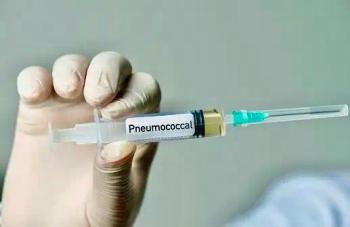
The Phase 1/2 study of VAX-31 demonstrated that the vaccine was well tolerated and elicited strong opsonophagocytic activity immune responses across all 31 evaluated serotypes.
Approved for individuals aged 12 years and older, this vaccine features a monovalent component and replaces the previous Novavax formula.
As National Immunization Awareness Month concludes this August, it is a good time to review and update your vaccination schedules before the fall season begins.
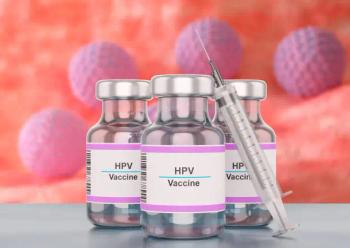
Two recent CDC Morbidity and Mortality Weekly Report (MMWR) studies show stable overall vaccination rates for 2023 but a decline in HPV vaccination rates for certain birth cohorts.
The 2024-2025 season introduces a new vaccine formula with a monovalent component designed to enhance protection against current variants and reduce severe outcomes such as hospitalization and death.

The companies’ study met 1 of their 2 primary immunogenicity objectives.

Kate Broderick, PhD, molecular geneticist, discusses the mRNA capping technology and how it helps create stability to mRNA molecules within vaccines and guides them to cells.

A new phase 1 clinical trial will determine if vaccine candidate, MPV/S-2P, is safe for humans, and may potentially offer protection not seen before in the first-generation of COVID-19 vaccines.
In this week’s edition of MMWR, the Centers for Disease Control and Prevention reported on the vaccines’ safety profile for each of the FDA approved immunizations and rationale for the recommended age groups.
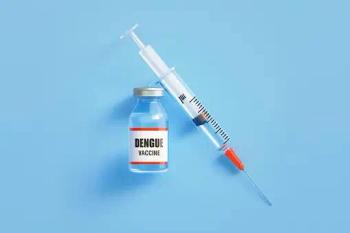
A single-dose dengue vaccine that is effective across various age groups and independent of prior dengue exposure is essential.

A large English study shows the incidence rates of arterial thromboses and venous thrombotic events decreased after immunization.

A new analysis says if all states imposed such measures it would have saved thousands of lives.
Advertisement
Advertisement
Trending on Contagion Live
1
Pritelivir Improves Outcomes in Immunocompromised Patients With Refractory Herpes Simplex Virus
2
Measles Update: February 6, 2026
3
PASTEUR Act Reintroduced in Congress
4
Antibiotics Deconstructed: IV Fosfomycin
5