


Sexually Transmitted Diseases
Latest News
Advertisement
Latest Videos







CME Content





















































































































Advertisement
More News
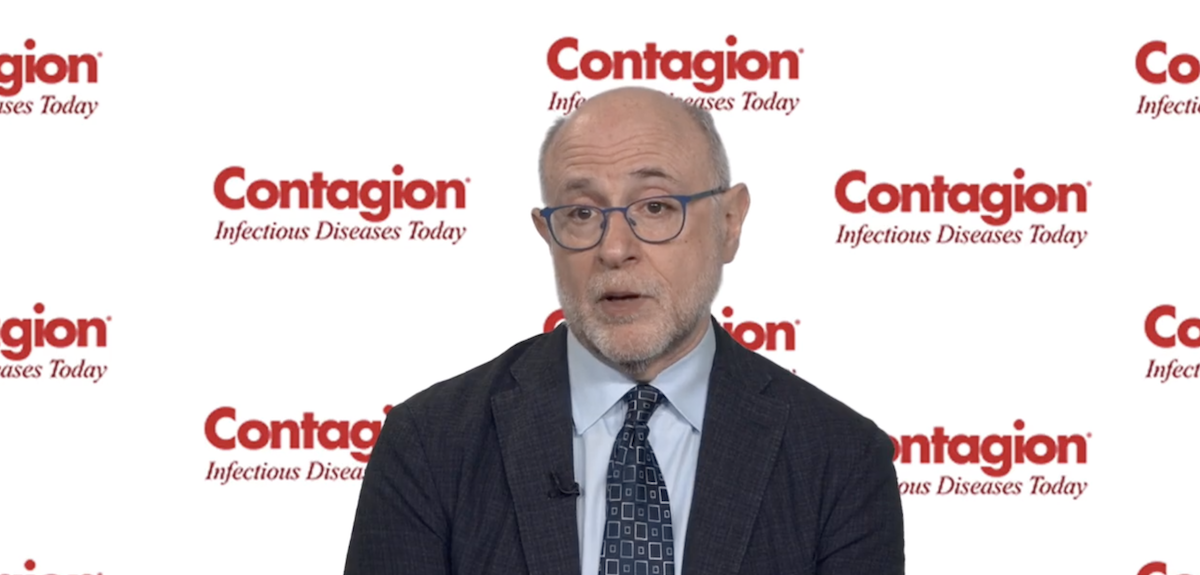
Colleen Kelley, MD, MPH, describes the current state of HIV vaccine efforts.

An antibody gene delivered by a harmless virus produced anti-HIV antibodies for a sustained period.

HIV pre-exposure prophylaxis appears to be making a difference, according to new research, which showed an association between increases in PrEP coverage and decreases in HIV diagnosis rates in the United States.
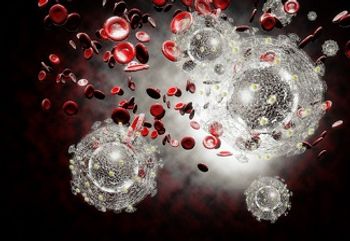
A new study results demonstrate that a cabotegravir/rilpivirine injectable, delivered monthly, is noninferior to standard daily oral antiretroviral therapy and is well tolerated by patients.
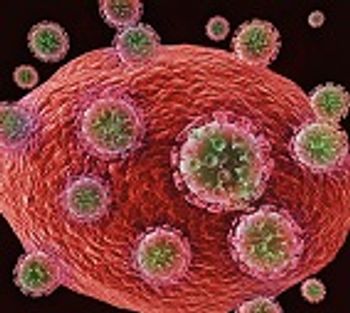
Data from clinical and preclinical studies on the use of the investigational HIV-1 capsid inhibitor GS-6207 were presented via 3 posters at CROI 2020.

Colleen Kelley, MD, MPH, discusses the importance of targeted youth HIV prevention measures.

Contagion® spoke to Onyema Ogbuagu, MD, who presented the week 96 results from the DISCOVER study evaluating F/TAF and F/TDF.

There was a statistically significant difference in renal safety which favored F/TAF over F/TDF at Week 96.
The abstract authors report that both HIV viral load in plasma and proviral HIV DNA in CD4 cells have remained below levels of detection for up to 30 months.
Ian Frank, MD, discusses the need to include women in HIV research.

“There are structural drivers that are impeding prevention and treatment among people who inject drugs,” Strathdee said in an interview with Contagion®.

New Week 96 data from the FLAIR study indicate that once-monthly injections of cabotegravir and rilpivirine remains non-inferior and safe when compared with the daily, oral 3-drug regimen of ABC/DTG/3TC.

A team of investigators hypothesized that prevalent syphilis infection in women with and without HIV may be a way to identify individuals who are at an elevated risk of a stillbirth over time.

Despite the high level of knowledge surrounding immediate initiation of ART, the practice is not yet the standard of care across clinics in NYC.

Investigators conducted 2 studies on intravenously administered GS-9722, 1 in HIV-negative participants and 1 in virally suppressed people with HIV.
Getting rid of the latent reservoir of HIV is a key part of the quest to cure HIV, but the latest study examining the kick and kill method plus ART showed no effect compared with ART alone.
Colleen Kelley, MD, MPH, describes barriers to the implementation of HIV pre-exposure prophylaxis.

A recent report discusses the expansion of pre-exposure prophylaxis into the 35 PEPFAR supported early program adopters from October 2016 to September 2018.
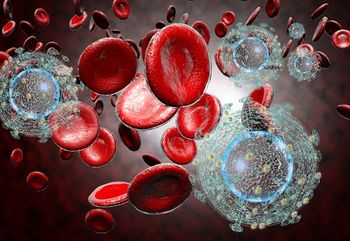
New research pinpoints some of the factors involved in HIV reemergence after cessation of antiretroviral therapy, as well as possible ways to stop the process.

Clinicians accustomed to HIPAA guidelines may not be aware of changes in confidentiality when they make contact with school health care services.

Jason Tokumoto, MD, reflects on the ways people respond to HIV diagnosis.

Concerns over the possibility of increased neural-tube defects and weight gain on dolutegravir are outweighed by the much lower rates of HIV transmission from mother to baby than are seen with efavirenz.
A new study has identified that misinformation and limited clinician communication around HPV risk among young men who have sex with men some of the barriers to HPV vaccination.

Clinicians must identify when additional pounds cross the line of diminishing return.

People living with HIV who don’t receive early intervention and primary care end up with a disproportionate share of health care costs, according to a new study that examined barriers to care and costs at a Dublin hospital.
Advertisement
Advertisement
Trending on Contagion Live
1
Measles Update: February 6, 2026
2
Pritelivir Improves Outcomes in Immunocompromised Patients With Refractory Herpes Simplex Virus
3
HIV in the Black Community: Shifting from Stigma and Health Inequalities to Communication and Care Initiatives
4
Antibiotics Deconstructed: IV Fosfomycin
5