































































































































Researchers from Columbia University have developed their own “nowcasting” model, which leverages online search trends to gain a picture of current, local influenza outbreaks.
Researchers from Columbia University have developed their own “nowcasting” model, which leverages online search trends to gain a picture of current, local influenza outbreaks.

William Schaffner, MD, lists some of the common reasons behind why individuals decide against getting their flu shots, and why they should reconsider.
At a recent event called "The Next Pandemic," researchers agreed that the world is not ready for the next big flu pandemic and discussed what it will take to strengthen preparedness.
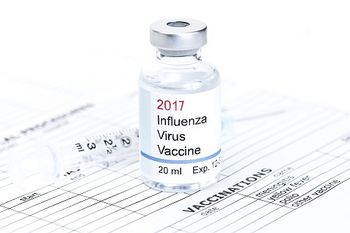
Two new studies highlight just why the flu vaccine isn’t working and one new approach that may give way to a universal vaccine.

Remembering the links between infectious diseases such as influenza and HIV, among others, and mental health can improve patient outcomes.

A new study gleans troubling findings—four in 10 health care providers choose to go to work despite experiencing symptoms of infectious disease.

A short summary of key data and recommendations for 2017-2018.

William Schaffner, MD, explains how health care providers can work towards getting patients who are aged 65 and older to receive a flu shot.

Researchers from The Scripps Research Institute have discovered why egg-based influenza vaccines offer a lower level of protection against H3N2 viruses.

William Schaffner, MD, discusses NFID and Sanofi Pasteur’s Flu Alert campaign, dedicated to emphasizing the importance of vaccination in adults aged 65 and older.

William Schaffner, MD, explains why adults aged 65 and older need to receive the flu shot.
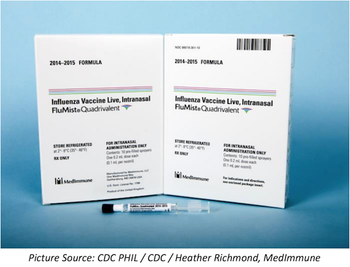
As health officials continue to recommend the injectable influenza vaccine to prevent illness this season, a new study examines whether vaccination rates changed after the CDC stopped recommending the nasal spray vaccine

Stay up-to-date on the latest infectious disease news by checking out our top 5 articles of the week.

William Schaffner, MD, discusses how the adults aged 65 and older are disproportionately affected by influenza.
A multinational team of researchers set out to answer the following question when it comes to antiviral therapy for influenza: to combine or not to combine?

A new article details how researchers are working to develop a universal flu shot.

Pandemic influenza virus strains easily infect humans and spread from person-to-person in an efficient and sustained way. With no immunity to the novel virus and no vaccine to protect against it, what will the United States do?

New tests continue to evolve that offer greater sensitivity than current methods.
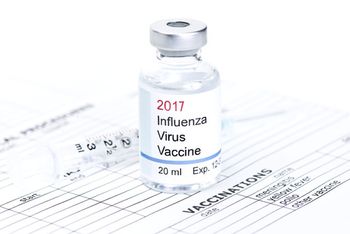
Flu season has officially begun in the United States, as the first cases and deaths of the season are reported, prompting health officials to press for vaccination.

News about the Zika virus dominated our top articles for the month of September 2017. Did you read them all?

William Schaffner, MD, medical director for the National Foundation for Infectious Diseases’ (NFID), provides a brief overview of the past flu season (2016-2017).

In a new study reviewing existing literature, researchers have found that more than 2 dozen viruses have been detected in human semen.

In a recent updated report, the Centers for Disease Control and Prevention’s Global Disease Detection Operations Center identifies the most recent public health threats, including those that could lead to a pandemic.
The CDC shares ACIP’s recommendations regarding the prevention and control of seasonal influenza with vaccines for the 2017-2018 season.

A recent study investigates what causes relapse in those with multiple sclerosis and sought to glean insight into the brain activity of patients with MS during respiratory infections.