


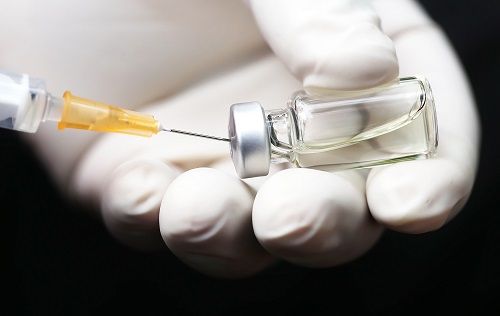































































































































Health officials around the United States are still recommending the flu shot for late-season protection against the second wave of flu caused by influenza B.
Health officials around the United States are still recommending the flu shot for late-season protection against the second wave of flu caused by influenza B.

With influenza B making a late-season rise, health officials are warning that B viruses may cause a second wave of flu this season, while the FDA is backing some alternatives to egg-based flu vaccines.

Stay up-to-date on the latest infectious disease news by checking out our top 5 articles of the week.

The National Center for Health Statistics has released new data on flu vaccination rates in the United States, as 1 new study shows which airline passengers may be at greatest risk of catching the flu inflight.

The first reports of H7N9 infection amongst humans occurred in China in 2013.
Taking into account the severity of this flu season, it is important that health care providers understand and choose the best treatment option for each patient.
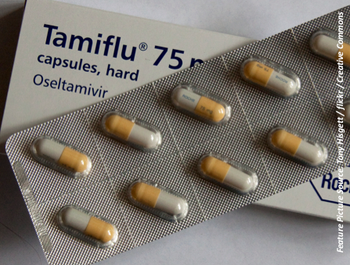
As flu activity continues to decline in the United States, some states are still reporting a record number of flu illnesses, as a new study debunks concerns that the use of Tamiflu may lead to increased suicide risk in teens.
Flu activity is down for the second week in a row in the United States, but as the flu season still has several weeks to go, the FDA has issued a warning about counterfeit flu medications.

The US Food and Drug Administration (FDA) has weighed in on the strains to be included in the 2018-2019 influenza vaccine.

The results of the trial revealed that the tablet reduced the rate of infection with influenza by 48%.
The institute has made the development of the vaccine “one of its highest priorities.”

A new bill introduced by a group of senators aims to boost universal flu vaccine research by $1 billion over the next 5 years, as health officials continue to investigate the cause of the flu shot’s low efficacy.
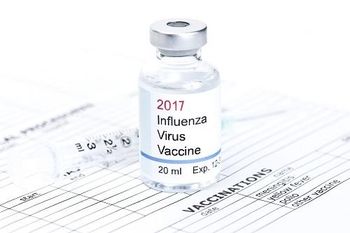
While a new report has found that the flu vaccine has been just 36% effective this year, a recent study suggests that history of exposure to flu may, in part, be to blame.

Stay up-to-date on the latest infectious disease news by checking out our top 5 articles of the week.

The lack of a universal flu vaccine and the ease with which borders are crossed means a fast-spreading virus could be devastating.

The latest data from the Centers for Disease Control and Prevention have revealed that adults who are vaccinated are 36% less likely to get the flu. That number jumps to a whopping 59% for young children.

Influenza A (H3N2) has caused most of the illnesses in this severe flu season, but influenza B is becoming increasingly responsible for more infections as the flu season continues to hit the United States.

A Nebraska mother’s Facebook post has parents and health experts around the country wondering if an influenza B infection may have caused hives in a child who did not present with any other flu symptoms.

In case you missed them, we've compiled the top five infectious disease articles from this past week.
The CDC’s acting director provides a somber flu update and stresses the need to stay vigilant against the virus.
Despite a new report indicating that the flu vaccine hasn’t been very effective in North America this year, health officials say it’s still a valuable weapon against this severe flu season.
CDC experts provide a flu update for clinicians via a COCA webinar.

The CDC’s ACIP voted to approve updated adult immunization schedule recommendations for adults aged 19 years or older.

An accredited dentist suggests that practiced care for the mouth and teeth could potentially help individuals during flu season.

Stay up-to-date on the latest infectious disease news by checking out our top 5 articles of the week.