


































































































This article is the second part of two-part coverage on a study conducted by Rutgers University researchers that analyzes the effects of misdiagnosing fungal infections on the increasing rates of antimicrobial resistance.
This article is the second part of two-part coverage on a study conducted by Rutgers University researchers that analyzes the effects of misdiagnosing fungal infections on the increasing rates of antimicrobial resistance.
A recent study conducted by Rutgers University researchers analyzes the effects of misdiagnosing fungal infections on the increasing rates of antimicrobial resistance.
Oluwatoyin (Toyin) Adeyemi, MD, attending physician of infectious diseases, at Cook County Health and Hospital System, discusses the CORE Healthy Aging Initiative (CHAI).
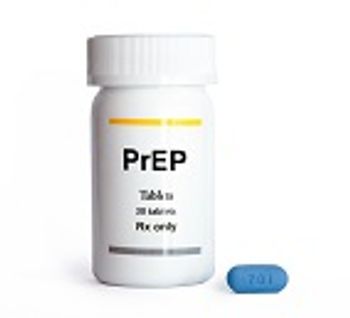
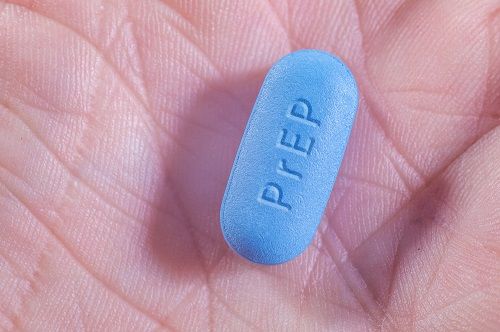
UCLA researchers have developed an online risk assessment calculator that will allow individuals to check their “PrEP score.”
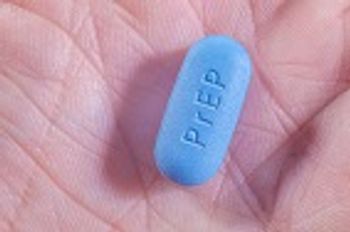
Drug “buyers clubs” that include websites such as PrEPster and I Want PrEP Now are providing a number of at-risk individuals living in the United Kingdom with HIV drugs that can potentially save their lives.
Researchers offer more insight on the role of IFN-I and find a potential therapeutic target that may be able to protect against chronic viral infections.
New research from the Medical University of Vienna has made a connect between blood infections and an increased risk of arteriosclerosis.
In a recent study, researchers found that retroviruses, such as HIV, date back to the Paleozoic Era.
Oluwatoyin (Toyin) Adeyemi, MD, attending physician of infectious diseases at Cook County Health and Hospital System, discusses the Centers for Disease Control and Prevention’s (CDC) sexually transmitted disease (STD) testing guidelines.

Seeking to improve the nation’s health and safety, the Centers for Disease Control and Prevention (CDC) has been targeting several high-burden issues in which it could make the greatest impact, and three such issues are infectious diseases.
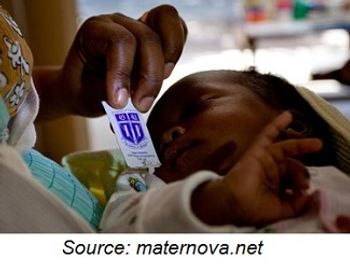
A team from Duke University’s Developing World Healthcare Technologies Lab have discovered a way to extend the lifespan of antiretroviral drugs in order to prevent mother-to-child HIV transmission in developing countries.
An emerging pharmaceutical company has partnered up with the Bill & Melinda Gates Foundation to use its innovative technology to assist in the fight against HIV.
Low CD4/CDE8 ratio and a history of bacterial pneumonia heighten the risk for lung cancer in an HIV-positive population.


GlaxoSmithKline recently announced positive results from two recent trials of new antiretroviral drug regimens, showing HIV can be effectively treated with fewer medications.
Experts suggest government efforts are sorely needed to provide education about HIV/AIDS to at-risk groups, especially among the young gay population.
A review of the top two video interviews from 2016 is included here.

Researchers from Erasmus disease the key factors needed for successful human-to-human contact-transmission of zoonotic pathogens.
We’ve put together the top five biggest news stories on HIV Contagion covered this year. Did you read them all?
The 90-90-90 goal from the Joint UN Programme on HIV/AIDS has three prongs: By 2020, 90% of people with HIV worldwide will be aware of their status; 90% of HIV+ people will have access to treatment; and 90% of those with HIV will have a suppressed viral load. Money and training are key.

Researchers have found that current methods of predicting risk of heart attack or stroke in HIV-positive individuals are lacking.

The first large-scale clinical trial of a new HIV preventive drug, cabotegravir, has been launched and researchers are looking to see if it is just as effective as Truvada, the only licensed PrEP regimen currently available.
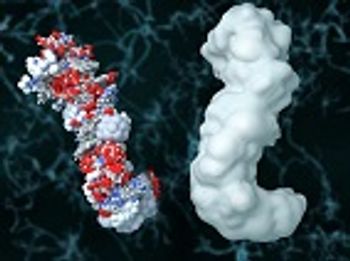
Researchers have found that commonly used antiretroviral drugs may be the cause of a number of cognitive problems.
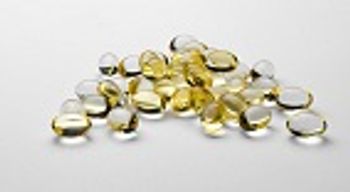
Researchers from France recently found that higher base levels of vitamin D were not associated with a stronger immune response in HIV-infected patients.