

































































































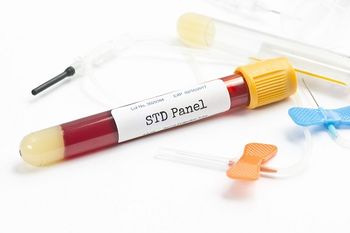
Research has found that women who were forced to have sex and were diagnosed with an sexually transmitted disease (STD) were less likely to receive treatment compared with women who did not experience forced sex.
Research has found that women who were forced to have sex and were diagnosed with an sexually transmitted disease (STD) were less likely to receive treatment compared with women who did not experience forced sex.
Today is National Native HIV/AIDS Awareness Day (NNHAAD), a day dedicated to promoting awareness of the impact that HIV/AIDS has on Native communities, particularly American Indians, Alaska Natives, and Native Hawaiians.

Adherence with HIV therapy regimens remains difficult for some patients. Nurse-delivered interventions can increase adherence, reduce disease costs, and extend the lifespan in an HIV-infected population.
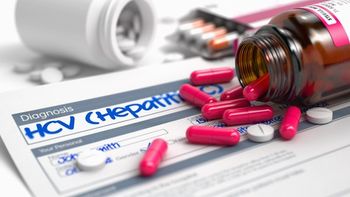
Researchers posit that increased direct-acting antiviral (DAA) coverage can work to completely eradicate hepatitis c virus (HCV) in some populations of HIV-positive coinfected patients.

March 10, 2017 marks the 12th observance of National Women and Girls HIV/AIDS Awareness Day, a day that is dedicated to raising awareness about the impact of HIV/AIDS on women and girls and encouraging them to take action when it comes to preventing infection.
This year, the World Health Organization (WHO) released a new guideline on sexual and reproductive health and the rights of women who are living with HIV.
The Georgia Department of Public Health reports that the number of HIV infections in Georgia has dropped 6% each year from 2008 to 2014.
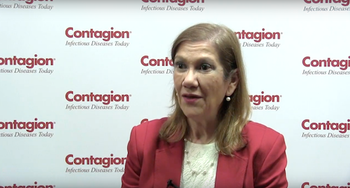
Carmen Zorrilla, MD, professor of obstetrics and gynecology, University of Puerto Rico, School of Medicine, discusses the social stigma surrounding Zika- and HIV-positive women.

Pharmacists play vital roles in optimizing HIV treatment outcomes in multiple ways and in all medical settings.

Brown University researchers propose thinking about pre-exposure prophylaxis (PrEP) as a nine-step continuum of preventive care, one that improves uptake and focuses on retention in care.

Catch up on last month's top infectious disease news coverage from Contagion®.
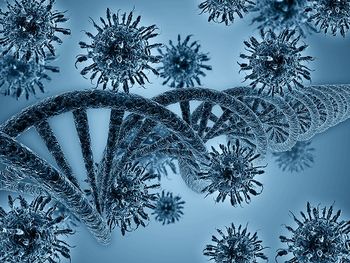
New research suggests that human and viral genetics account for one third of the differences in disease progression rates in HIV-positive individuals.
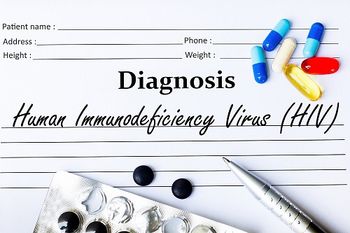
Scientists are hopeful that a new two-drug regimen will simplify treatment for HIV patients while exposing them to fewer side effects.
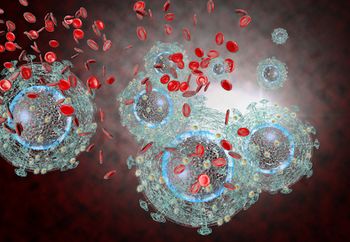
Could a new process called long-acting slow effective release antiretroviral therapy, or LASER ART, be a game-changer in treating HIV?
A survey spanning almost two decades shows a consistent increase in condom-less anal sex and number of sexual partners in MSM as many see antiretroviral therapy as a "protective back-up" measure to avoid HIV infection.

The Centers for Disease Control and Prevention recently published a study detailing a case of Ebola virus RNA persistence in the semen of a male Ebola survivor with HIV.
The Centers for Disease Control and Prevention recently investigated three incidents of rare microsporidiosis infections in transplant patients in the United States.
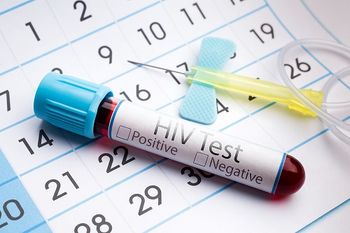
The Centers for Disease Control and Prevention is reporting that annual HIV infections declined from 2008 to 2014, but this decrease was not seen across all groups.
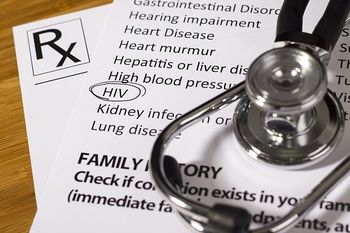
Research presented at the recent Conference on Retroviruses and Opportunistic Infections shows that more individuals are aware of their HIV and hepatitis C (HCV) status, but more work is still needed.
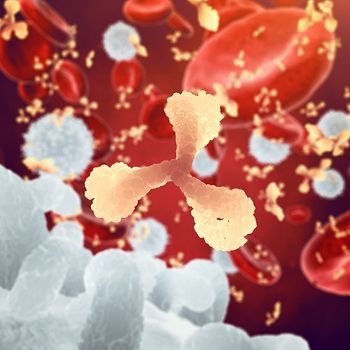
National Institutes of Health (NIH) scientists provide an explanation for how an anti-alpha-4 beta-7 antibody treatment resulted in sustained remission of SIV in a monkey experiment.
The Duke Human Vaccine Institute may have discovered an HIV-destroying antibody that is capable of neutralizing up to 99% of the virus, which would make it the most powerful one yet found.
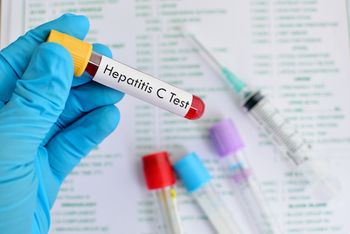
A retrospective study found hepatitis C reinfection rates high are in HIV-positive men who have sex with men from four western European countries.
As cardiovascular disease is becoming one of the most significant comorbidities of people with HIV, the National Institutes of Health continues to enroll people in its landmark study, Randomized Trial to Prevent Vascular Events in HIV (REPRIEVE).
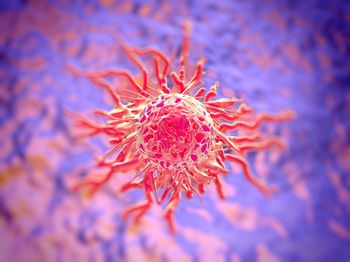
UNAIDS calls for access to HPV educational materials as well as cervical cancer screening and treatment for HIV-positive women.

Researchers have found incidence of multidrug-resistant HIV-1 infection, despite the use of preexposure prophylaxis (PrEP).