



Zoonotic & Vector-Borne Diseases
Latest News
Advertisement
Latest Videos









CME Content



























































































































Advertisement
More News
Much about the virus and the proper public health response to outbreaks remains up for debate.

A recent study has shown that highly pathogenic avian influenza (HPAI) A(H7N9) virus is spreading westward from southern and eastern China.

Stay up-to-date on the latest infectious disease news by checking out our top 5 articles of the week.

A central team led by the National Centre for Disease Control stresses that Nipah virus in India is not a major outbreak, but a local occurrence, and the situation is currently under control.

The virus associated with the Middle East may or may not pose a threat to the United States, but researchers here are still working hard to find treatments and preventative vaccines.
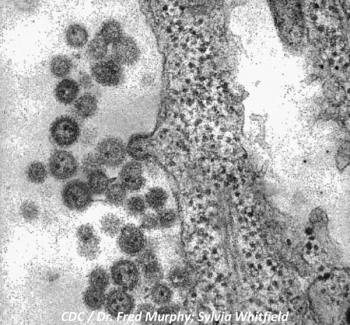
Researchers have found that a vaccine for Junin virus, a South American hemorrhagic fever virus, protects against another virus in the same family, opening up the possibility for universal vaccines for virus families.
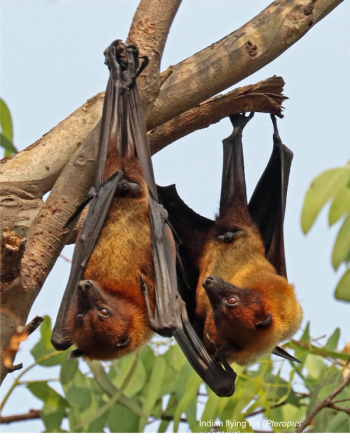
In the wake of the Ebola epidemic in West Africa, the World Health Organization is working with the Center for Infectious Disease Research and Policy and the Wellcome Trust to create research & development roadmaps for priority diseases, such as Nipah virus.

The new LN34 test provided fewer false-positive results than the current gold-standard test, as well as fewer inconclusive results, and no false negative results.

The FDA has approved an additional claim for Roche’s cobas Zika virus test, allowing for the screening of several individual blood or plasma donations that have been pooled together.

A new report by Global Health Technologies Coalition assesses the economic impact of cuts to global health R&D on the economies of US states.
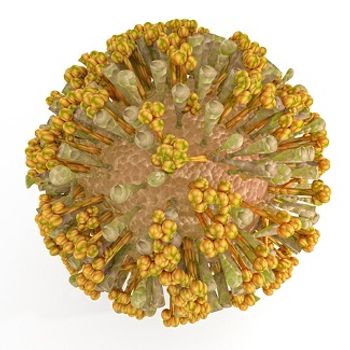
If clinical development progresses, the PaxVax vaccine could potentially become the first vaccine approved by the FDA for the prevention of chikungunya.

Stay up-to-date on the latest infectious disease news by checking out our top 5 articles of the week.
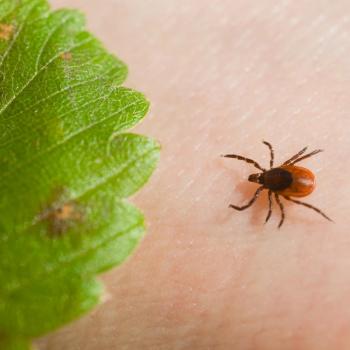
New CDC report warns of the growing burden of vector-borne diseases in the United States.
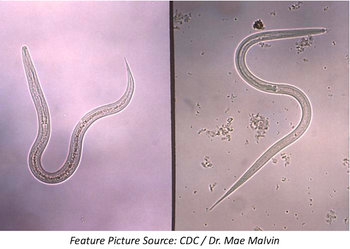
A recent study finds that treatment with albendazole was associated with improved physical fitness in women farmers infected with hookworm.
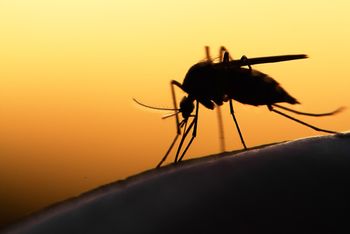
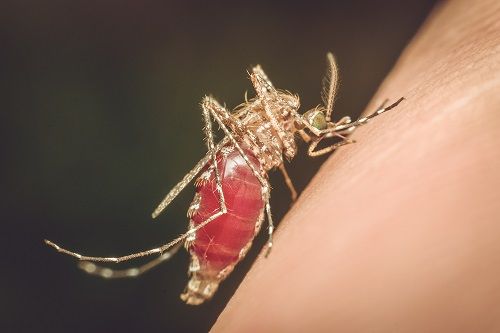
Experts need to be ready to respond to outbreaks of emerging mosquito-borne diseases in the United States.
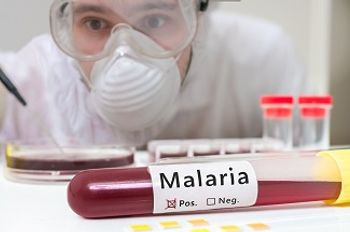
The pharmaceutical giant will also launch a program committed to equitable pricing in malaria-endemic countries for new treatments along with expanding pediatric treatment availability and work to strengthen health care systems in 4 African nations.

In case you missed them, we've compiled the top five infectious disease articles from this past week.
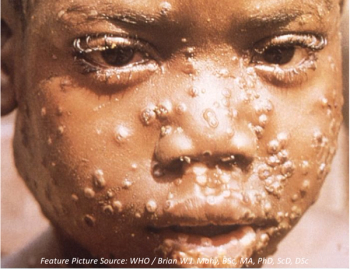
A large outbreak caused by the West African clade of the monkeypox virus has hit humans living in Nigeria.

A recent study sheds light on how long Zika virus can be transmitted through semen following infection, while another study assessed the side effects of Zika infection on infants with post-natal exposure.

Following outbreaks of measles and yellow fever in parts of Central America, South America, and the Caribbean, PAHO is leading the 16th annual Vaccination Week in the Americas in an effort to vaccinate 70 million individuals against several diseases.

Previously seen in Wisconsin in 2015-2016, Elizabethkingia seems to have made its way to the Empire state.
Emil Lesho, DO, FACP, FIDSA, FSHEA, explains what makes Elizabethkingia unique.

In a recent webinar, epidemiologists from the Centers for Disease Control and Prevention presented data on Rocky Mountain Spotted Fever ahead of the summer tick season.

About 1.6 million individuals die from violence each year on a global scale—do infectious disease physicians have a role in preventing it?

Public health officials cite zoonotic disease as the top pandemic threat, yet the task of predicting or preparing for a pandemic remains difficult.
Advertisement
Advertisement
Trending on Contagion Live
1
Pritelivir Improves Outcomes in Immunocompromised Patients With Refractory Herpes Simplex Virus
2
Measles Update: February 6, 2026
3
Antibiotics Deconstructed: IV Fosfomycin
4
PASTEUR Act Reintroduced in Congress
5