


















































































































James S. Lewis, PharmD, FIDSA, discusses the role vaccination plays in reducing unnecessary antibiotic use.
James S. Lewis, PharmD, FIDSA, discusses the role vaccination plays in reducing unnecessary antibiotic use.
William Schaffner, MD, lists some of the common reasons behind why individuals decide against getting their flu shots, and why they should reconsider.

Stay up-to-date on the latest infectious disease news by checking out our top 5 articles of the week.

A research team has found that an antiviral drug available in Russia and a few other countries shows promising results when it comes to fighting Ebola virus disease.
At a recent event called "The Next Pandemic," researchers agreed that the world is not ready for the next big flu pandemic and discussed what it will take to strengthen preparedness.
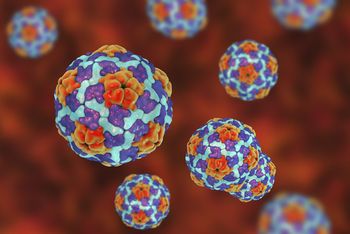
As the hepatitis A outbreak in San Diego continues, officials focus their efforts on homeless encamped along the San Diego River. Is the situation improving or getting worse?

With 264 vaccines in the pipeline in the United States, the future for the prevention of diseases appears to be extremely bright.

Stay up-to-date on the latest infectious disease news by checking out our top 5 articles of the week.
Dale N. Gerding, MD, discusses different methods used to prevent CDI recurrence.

A new study gleans troubling findings—four in 10 health care providers choose to go to work despite experiencing symptoms of infectious disease.

A short summary of key data and recommendations for 2017-2018.
William Schaffner, MD, explains how health care providers can work towards getting patients who are aged 65 and older to receive a flu shot.

Researchers from The Scripps Research Institute have discovered why egg-based influenza vaccines offer a lower level of protection against H3N2 viruses.

In case you missed them, we've compiled the top 5 articles from this past week.
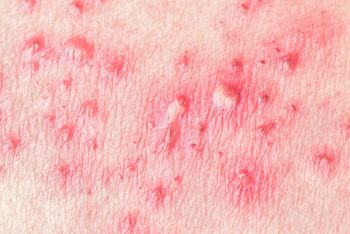
The CDC’s ACIP recommends newly FDA-approved Shingrix as the preferred vaccine for the prevention of shingles in individuals 50 years of age or older.
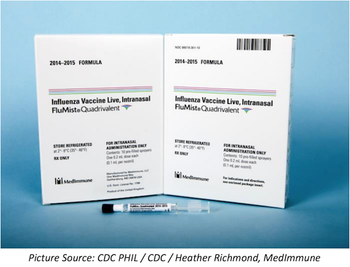
As health officials continue to recommend the injectable influenza vaccine to prevent illness this season, a new study examines whether vaccination rates changed after the CDC stopped recommending the nasal spray vaccine

According to recent data from the Centers for Disease Control and Prevention, millions of Americans aged 13-17 are under-vaccinated against serious infectious diseases.

More information continues to be revealed about the Zika virus as research on a vaccine continues to advance as well.

A new CDC report finds that although vaccination coverage is high for kindergarteners in the United States, pockets of undervaccination are a cause for concern among health officials.

The FDA has approved Shingrix, GlaxoSmithKline’s recombinant zoster vaccine against shingles, for patients 50 and older.

Although there have been important improvements to existing vaccines, the list of vaccine-preventable diseases has barely changed at all in over two decades.

Stay up-to-date on the latest infectious disease news by checking out our top 5 articles of the week.

Both test vaccines produced immune responses by 1 month after vaccination and the immune response lasted for at least 1 year.

A new article details how researchers are working to develop a universal flu shot.
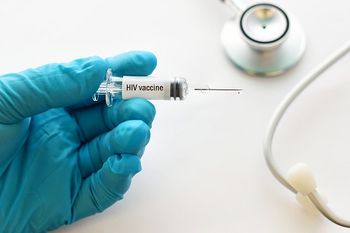
NIAID director Dr. Anthony S. Fauci stresses in a recent commentary that, from a practical standpoint, the development of a moderately effective HIV vaccine is “essential” to ending the pandemic.