




HIV / AIDS
Latest News
Advertisement
Latest Videos






CME Content


















































































































Advertisement
More News

Results suggest that PrEP provision is concentrated among those at high risk for HIV and STIs, but that more must be done to prevent STIs among those who persistently use PrEP.

Recommendations to offer antiretroviral therapy on the same day as home-based HIV testing were reinforced by a 2-year follow-up study that examined involvement in care and viral suppression.
Jason Tokumoto, MD, discusses recent developments in HIV treatment and prevention, focusing on the impact of “U=U.”
Jason Schafer, PharmD, MPH, BCPS AQ-ID, discusses upcoming long-acting therapies for HIV.

Something novel in infectious diseases practice has occurred and, like many big changes, it is not without controversy.

An analysis of participants in a trial measuring the efficacy of PrEP found that sex-driven dose timing—as opposed to daily dosing—was effective in preventing HIV, even in men who had sex less often.
Jason Gallagher, PharmD, FCCP, FIDSA, BCPS, previews his editor-in-chief letter for the December issue.
In April, the US Food and Drug Administration (FDA) approved dolutegravir plus lamivudine as a complete 2-drug regimen for treatment naïve adults with HIV-1.
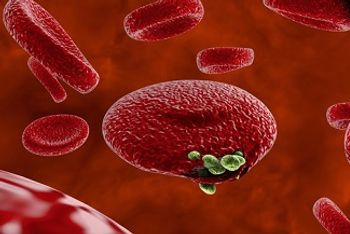
Observations about the body’s response to malaria infection can lead to new treatments for HIV and lupus, investigators believe.
Gregory Felzien, MD, AAHIVS, highlights “clinic champions” who help move patient care forward while facing external constraints.
A patient with HIV and skin lesions should trigger a broad differential.

Investigators have documented growing acceptability among sexual minority men that U=U, but with widespread overestimation of transmission risk.
Carlos del Rio, MD, discusses advances in long-acting antiretrovirals and the costs associated with HIV therapies.
Fifteen years after the launch of a program to help bring HIV treatment to low-income countries, an FDA analysis shows the program is working, but there is room for improvement.

Representatives from the AIDS Care Group discuss the racial disparities that exist in the HIV/AIDS care continuum for women of color, as well as how a peer engagement and retention program can help.
Novel modes of delivery are imperative to improve HIV suppression and prevent transmission.

CDC investigators used HIV surveillance and pharmacy data to examine the status of HIV treatment and prevention in the United States.
On December 3, 2019, the US Department of Health and Human Services announced the launch of program which will provide PrEP to people without prescription drug insurance coverage.

Authors of a new report published by CDC detail barriers to case-based surveillance in policy and technical infrastructure which need to be addressed in order to enhance national efforts surrounding the HIV epidemic.
Treatment-naive patients who are prescribed INSTI-based ART experienced weight gain and systolic blood pressure increases higher than peers on other forms of ART.
Results from a new study indicate that early antiretroviral therapy treatment provides measurable benefits in infants who acquired HIV via vertical transmission.
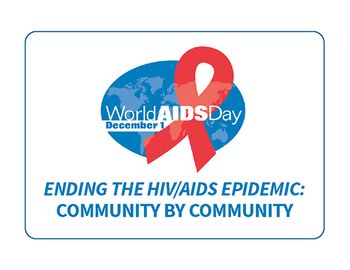
On December 1, 2019, international health organizations reflect on the advancements of the HIV/AIDS research field and acknowledge the challenges that still remain.

People with HIV who contract cryptococcal meningitis and suffer seizures experience greater neurocognitive decline and higher rates of death than those who don’t have seizures.

The survey was designed to provide more information on beliefs and perceptions toward HIV among Generation Z and millennials in the United States.

Distributing free HIV self-tests to men who have sex with men resulted in a sharp increase in the number of infections identified, a new study by the CDC.
Advertisement
Advertisement