































































































































Patients with the hepatitis C virus who are on Medicaid in Oregon can expect to receive curative treatment in 2019, without having to wait for liver damage to set in.
Patients with the hepatitis C virus who are on Medicaid in Oregon can expect to receive curative treatment in 2019, without having to wait for liver damage to set in.

Successful treatment of recently acquired hepatitis C virus infection in 8 weeks, with a regimen currently approved for 12 weeks, could enable shorter, less costly treatment.

Through retrospective analysis, investigators have identified a second case of rat hepatitis E virus in a human, which has close genetic relation to the first case.

People who inject drugs who are infected with hepatitis C virus can achieve sustained viral response, despite imperfect adherence, according to the results of a new trial.

A new approach to hepatitis C virus infection treatment could shave time and costs off the current standard regimen.
Research on nonalcoholic fatty liver disease in persons infected with HIV revealed a prevalence of the condition of about 40%, suggesting the condition may be an underappreciated comorbidity in this population.

A fixed-dose combination therapy (Vosevi, Gilead) was highly effective after 12 weeks in retreating direct-acting antiviral-experienced patients with hepatitis C virus infection, with and without HIV co-infection, including those with prior noncompletion of treatment or poor adherence.

A recent study by the Kirby Institute reported that after using direct-acting antiviral therapy 97% of participants with HCV who recently used injectable drugs achieved sustained viral response.
West Virginia’s Bureau for Public Health has requested the assistance from the CDC to contain the statewide hepatitis A outbreak.
New research from Johns Hopkins reveals that 2 genes, CMPK2 and BCLG, are selectively activated in the presence of type 1 interferon.

The results of a study published by JAMA Internal Medicine are a call to action for cities facing homelessness crises.
Small studies show good outcomes for previously uninfected recipients who receive kidneys from donors infected with hepatitis.
The combination of direct-acting antiviral agents glecaprevir/pibrentasvir (G/P), sofosbuvir, and ribavirin is now approved for new patient populations.
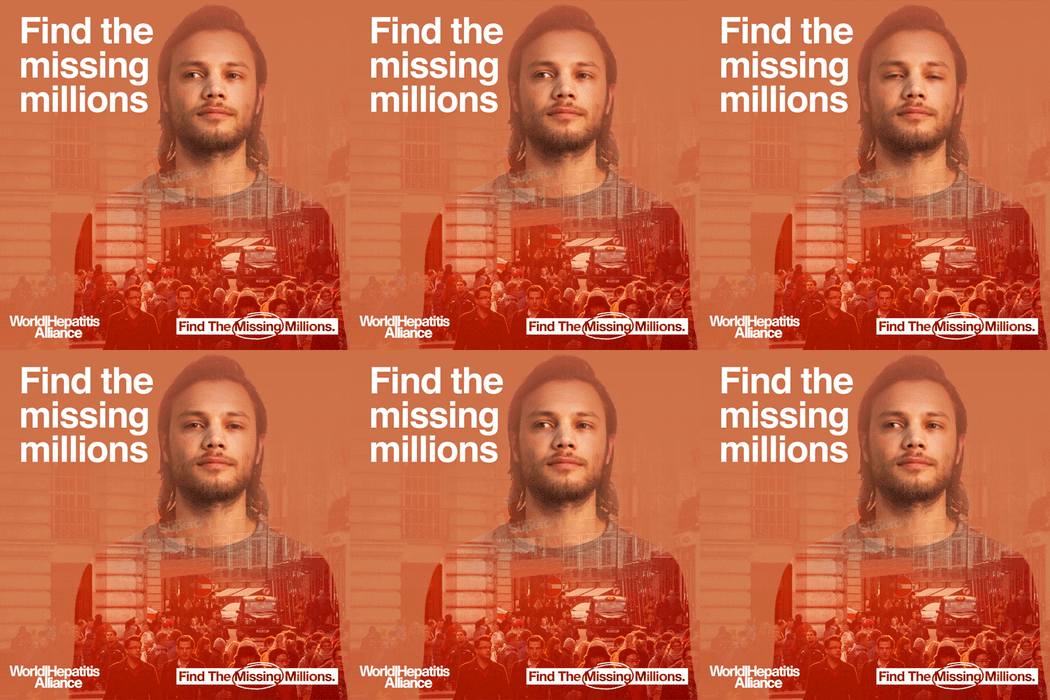
Millions with viral hepatitis go undiagnosed and untreated.

Suicide is a major problem for many patients with infectious diseases but pinpointing the exact cause has proven difficult.

An increase in injection drug use in the United States has augmented the likelihood of acquiring HCV, particularly genotype 3.
The new guidelines include updates on HCV management and testing in pregnant women, individuals who inject drugs, men who have sex with men, and individuals who are incarcerated.
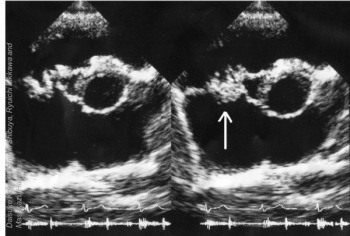
Infections associated with the ongoing opioid epidemic in the United States apparently know no bounds.
Unique considerations are called for when caring for intravenous drug users with newly diagnosed HIV/HCV coinfections.

The risk comes after it was found that surgical instruments used for orthopedic and spine surgeries were not cleaned properly and consequently, the sterilization of those instruments was compromised.
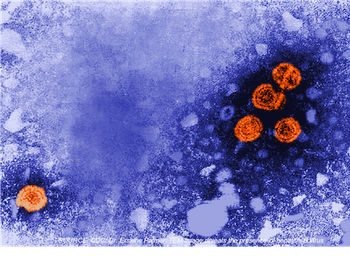
Falsified hepatitis B vaccines were discovered at 8 health facilities in Uganda.
Treatment-experienced patients still have some good options.

Herewith, 4 New Year’s resolutions for the infectious disease community—at least according to us here on the Public Health Watch.

The results of a new study show that when a best practice advisory (BPA) displayed in the electronic health record of patients in the baby boomer generation, it prompted a 5-fold increase in screening for hepatitis C virus (HCV) in this population.

Hepatitis C is more curable than ever thanks to direct-acting antivirals, and now, a new study shows how expanded access to these drugs through Medicaid is helping more individuals get treated.