



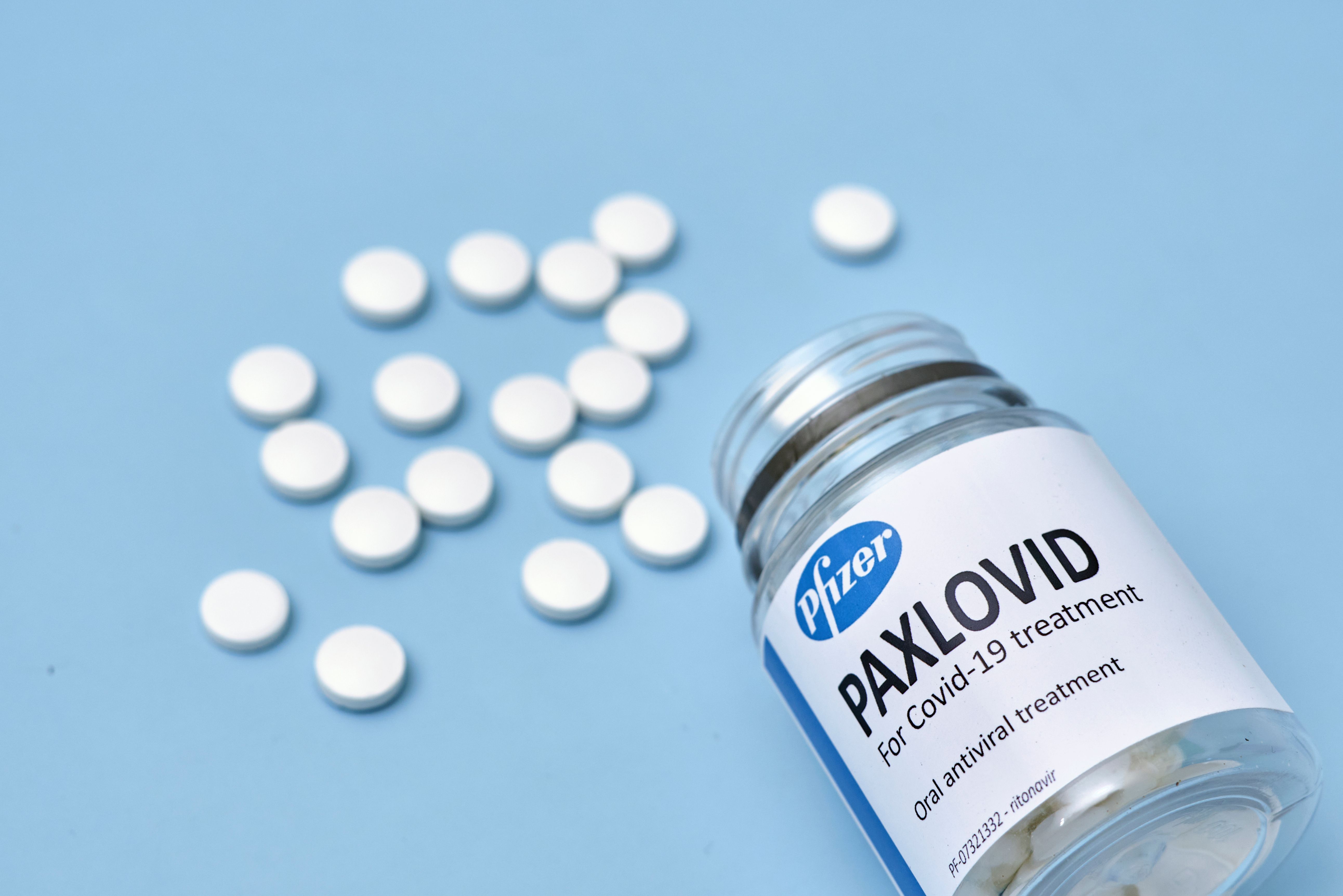


Coronavirus / COVID
Latest News
Advertisement
Latest Videos








CME Content




















































































































Advertisement
More News

When given within 5 days of COVID-19 symptoms, Paxlovid appeared to reduce risk for developing Post-COVID-19 Conditions (PCC).
A new study found negative expectations prior to COVID-19 vaccination were associated with more systemic adverse events in individuals receiving their second dose of a COVID-19 vaccine.

A midsized study demonstrated no therapeutic benefit to patients with mild-to-moderate COVID-19 taking this class of anthelmintics.

"Antibiotics can safely be withheld in most patients with viral respiratory infections,” these study authors wrote.

Risk factors for VTE among COVID-19 patients included age greater than 55 years, male gender, a history of thrombophilia, and obesity.

This week's hottest topics included the risks of proton pump inhibitors, rare tickborne disease, HIV vaccination, COVID-19 immunity from a common cold, and hydrocortisone for pneumonia.

A new study reveals how US states fared, and some of the underlying reasons why the pandemic has played out in vastly different ways.

A new study shows vaccination decreased the chances of developing the debilitating condition by nearly half.

Exposure to a common seasonal coronavirus stimulates a memory T cell response that protects children against COVID-19. However, this immune response peaks at age 6.

Despite failing to meet primary trial endpoints, molnupiravir reduced the length of COVID-19 infection by 4.2 days in vaccinated patients.

Yesterday, the FDA took a major step toward officially approving Paxlovid. Catch up on this story and the other top COVID-19 news updates from the past week.

The FDA's Antimicrobial Drugs Advisory Committee recommended approving Pfizer’s New Drug Application for Paxlovid to treat mild-to-moderate COVID-19 in adults at high risk of severe or fatal disease progression.

These investigators concluded Omicron XBB.1.5 the most successful COVID-19 variant of its lineage.

With this FDA emergency use authorization (EUA), all persons 6 months and older are now eligible to receive the Pfizer-BioNTech Omicron BA.4/BA.5-adapted bivalent booster.

COVID-19 patients had a significantly higher risk of cardiovascular disease and death in both the short- and long-term.
“Real-world” assessment finds nirmatrelvir-ritonavir reduces risk of severe COVID-19 from BA4 and BA5 omicron subvariants.
The benefits of COVID-19 vaccines waned over time and were less effective against the Omicron variant of the virus, a long-term meta analysis found.

A 4-dose COVID-19 vaccine regimen and prior infection with either the BA.1 or BA.2 variants were extremely effective against the Omicron BA.5 subvariant.

Nasal administration of the fully human anti-CD3 monoclonal antibody Foralumab modulated T cell inflammatory responses in COVID-19.
Use of early COVID-19 treatments did not reduce the risk of hospitalization or death, but did reduce long COVID symptoms after 3 months.

Children were hospitalized the most during the Omicron variant, but disease outcomes were the least severe during this variant period.

The most common reasons parents cited for hiding a child’s COVID-19 infection included an inability to stay home from work and wanting to make decisions about their child’s health without outside input from authorities.

In the 12-month period following COVID-19 infection, long COVID patients had an excess death rate of 16.4 per 1000 individuals.

A single dose of pegylated lambda-interferon delivered within a week of the start of COVID-19 symptoms appears to significantly reduce the likelihood that a patient will end up hospitalized from the disease.

The omega-3 fatty acids EPA and DHA may protect against COVID-19 by reducing inflammation.
Advertisement
Advertisement
Trending on Contagion Live
1
Pritelivir Improves Outcomes in Immunocompromised Patients With Refractory Herpes Simplex Virus
2
Measles Update: February 6, 2026
3
HIV in the Black Community: Shifting from Stigma and Health Inequalities to Communication and Care Initiatives
4
Antibiotics Deconstructed: IV Fosfomycin
5