This week, increased risk of long COVID in individuals who have tested positive for the virus, advancements in the preservation of the microbiome offer new strategies for healthcare-associated infections (HAIs), FDA-approved GSK's bepirovirsen signaling the company's goal to cure viral hepatitis, CDC considers changing 5-day COVID isolation guideline, and the first victim of the Alaskapox virus highlights the critical need for increased research into emerging infectious diseases.
A new study in infants challenges the long-standing belief about the pathogen’s effects in the youngest pediatric population. Senior author Joseph Zackular, PhD, provides insights around his work including how it reshapes gut development and offers potential intervention strategies to shield neonates.
With US measles cases nearing 3,900 this year and Pennsylvania reporting its fifth measles-related death, here is a review of how the virus spreads, how it is prevented and managed, and what severe disease looks like.
Vaxcyte's 31-valent pneumococcal conjugate vaccine candidate met every prespecified primary immunogenicity and safety endpoint against PCV20 and PCV21 in the OPUS-1 trial of 4,047 US adults.
Long-acting cabotegravir plus rilpivirine (Cabenuva) achieved superior viral suppression vs daily oral antiretroviral therapy at 6months in treatment-experienced people with HIV and detectable viremia in the phase 3b CROWN trial.
FDA-cleared single-step immunoblot tests built on recombinant antigens from multiple Borrelia species detected nearly twice as many early Lyme disease cases as standard two-tier testing. Joseph J. Burrascano Jr, MD, offers insights into what the new tests mean for clinicians.
A laboratory technician at a Siberian anti-plague institute has died of pneumonia of unknown cause, prompting quarantines and contact monitoring while Russian officials stop short of confirming plague.
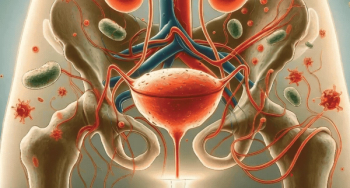
Recent urinary tract infection guideline updates from multiple international
medical societies highlight evolving recommendations, including a major shift
in classification, moving from anatomy- and risk factor–based definitions
toward distinguishing localized from systemic infections.