This week learn more about CDC's strategies to reduce waterborne diseases; the US change to a trivalent influenza vaccine; new data for Merck's pneumococcal vaccine; and how PCR testing can influence a patient diagnosis and outcome.
A new study in infants challenges the long-standing belief about the pathogen’s effects in the youngest pediatric population. Senior author Joseph Zackular, PhD, provides insights around his work including how it reshapes gut development and offers potential intervention strategies to shield neonates.
The Peggy Lillis Foundation will host its 17th Annual Changing the Odds Gala this month in New York City, and it will include a casino, fellowship amongst the C diff community, and an award ceremony honoring a physician-scientist, philanthropist, a researcher, and a patient advocate for their contributions to C difficile awareness, treatment, and prevention.
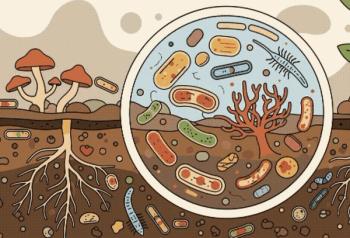
Widespread antimicrobial use disrupts vital microbial communities that regulate Earth’s biogeochemical cycles, driving antimicrobial resistance, worsening human and environmental health, and significantly contributing to climate change.
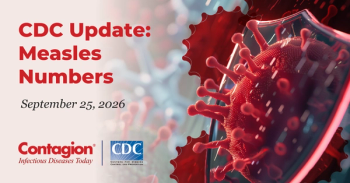
The latest CDC numbers show a 5.4% increase of measles cases from week-to-week. This year has already become the worst for the number of measles cases in the US since the disease was declared eliminated in 2000. With the start of respiratory virus season, case numbers are expected to continue to increase significantly.
New data from the PETERPEN trial suggest that piperacillin-tazobactam may be noninferior to meropenem for early clinical outcomes in select patients with ESBL bloodstream infections, but carbapenems remain the standard of care until final mortality results are available and fully analyzed.
Outcomes from treating orthopedic infection with debridement and implanted antibiotic were similar whether followed by short or standard duration of systemic antibiotic.