Transcript
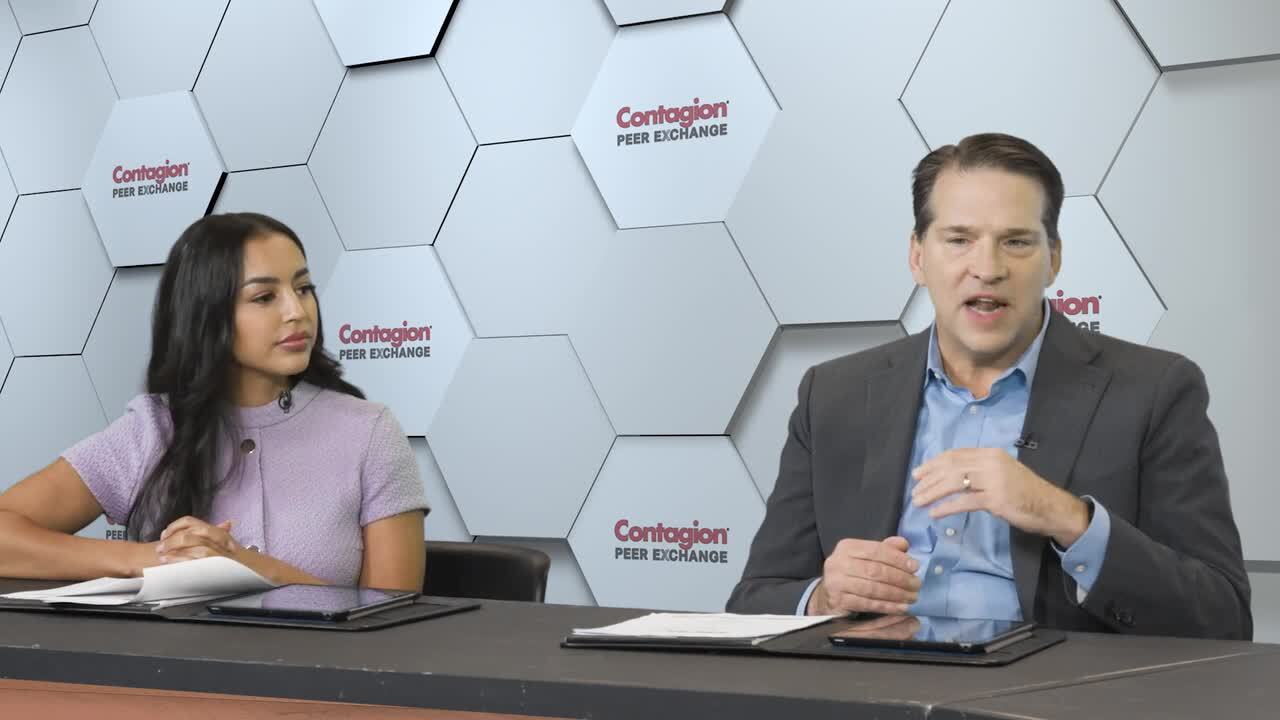
Anthony Martinez, MD: We’ve talked about implementing this into our practice. Sometimes it can be a difficult patient group because of certain aspects of patients’ lives that are simply their reality., [for example,] And things I'm thinking about specifically whether its active substance use or unstable housing. Tipu, how do you manage this in your in your practice. Does this impact anything? dDo you do anything differently? tTalk to us a little bit about that.
Tipu V. Khan, MD: Yeah, so sSpecifically, those that suffer from unstable housing,—it's a tough population. We have a lot of it. I run our county's backpack medicine group, so we do a lot of on-the-ground outreach and treatment of patients. And, you know,tThe bottom line is that it all comes down again to meeting patients where they're at. And aAs we've heard from all of our panelists today, policy, advocacy, these are all things we need to improve treatment retention. And tThe best thing we could do for these patients is to give them all their medications up front, especially if they're in a shelter or a stable housing transitional area where they can store those medications, but also understanding there'sthere are some that patients who can't carry eight 8 weeks or 12 weeks’ worth of medications on them. And sSo maybe [in that scenario we] being able to dispense two 2weeks at a time with close follow-up. One of the things that we're implementing in our program is a community navigator who will store their medications for them [patients] for a couple weeks at a time.We'll go to them. … And there'sthere are different studiesthat have been out there …that look at ways you can do this. One of them includes having them carry a GPS [global positioning system] unit so you know where they're at.: Meet themin the river bottom or …downtown, wherever they're staying. Deliver those next two 2weeks and catch up with them again afterwards. So, [There are] a lot of different models on how that can be done. But I think the important point is we need to adjust this to the patient in front of you. And sSometimes that means that we may need to store medicationss and dispense them more frequently for a patient suffering from homelessness, so they don't lose their medications. But if they're in a transitional housing program, it might benefit them from getting their entire eight8-week or 12-week regimen upfront that they can keep with them.
Anthony Martinez, MD: I think yYou bring up an important point. For a long time in the field of hepatitis C, we've worked on this sort of patient readiness model. Is the patient ready for treatment? And iIt's really held us back in terms of elimination. I think iIf we went around and we asked each other, what does readiness mean? What does stability mean? We'd get a bunch of different answers. We really, in my opinion, need to move to a provider-readiness model. These are variables that have affected patients forever., Aand they may never change. They may never reach a level of stability that a provider is necessarily comfortable with it. But the things that affect the patients, it's all about access, just getting them the treatment that they need.
Transcript was AI-generated and edited for clarity.