



































































































Scientists are hopeful that a new two-drug regimen will simplify treatment for HIV patients while exposing them to fewer side effects.
Scientists are hopeful that a new two-drug regimen will simplify treatment for HIV patients while exposing them to fewer side effects.
Could a new process called long-acting slow effective release antiretroviral therapy, or LASER ART, be a game-changer in treating HIV?
A survey spanning almost two decades shows a consistent increase in condom-less anal sex and number of sexual partners in MSM as many see antiretroviral therapy as a "protective back-up" measure to avoid HIV infection.
The Centers for Disease Control and Prevention is reporting that annual HIV infections declined from 2008 to 2014, but this decrease was not seen across all groups.
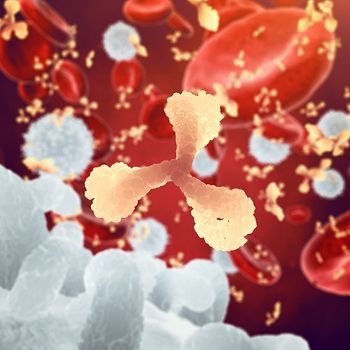
National Institutes of Health (NIH) scientists provide an explanation for how an anti-alpha-4 beta-7 antibody treatment resulted in sustained remission of SIV in a monkey experiment.
The Duke Human Vaccine Institute may have discovered an HIV-destroying antibody that is capable of neutralizing up to 99% of the virus, which would make it the most powerful one yet found.
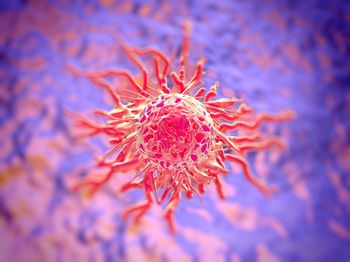
UNAIDS calls for access to HPV educational materials as well as cervical cancer screening and treatment for HIV-positive women.

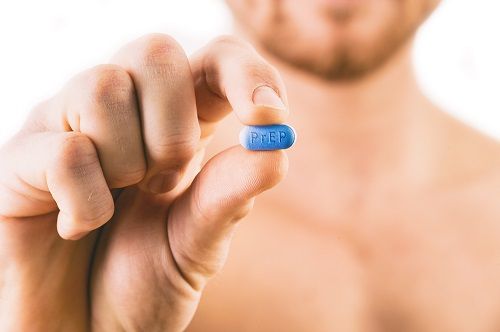
Researchers have found incidence of multidrug-resistant HIV-1 infection, despite the use of preexposure prophylaxis (PrEP).
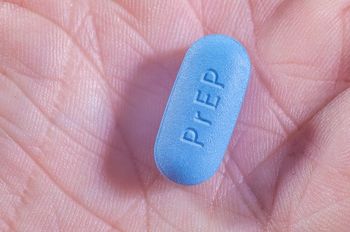
Researchers from the University of Pennsylvania Perelman School of Medicine show that many young transgender women are aware of HIV PrEP and have positive attitudes toward it.
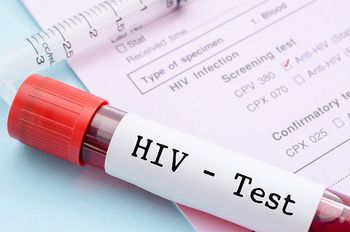
Johns Hopkins University researchers conducted a survey with the goal of finding out the prevalence of HIV testing among nonclinical community-based organizations in Baltimore, Maryland.

Catch up on last month's top infectious disease news coverage from Contagion®.
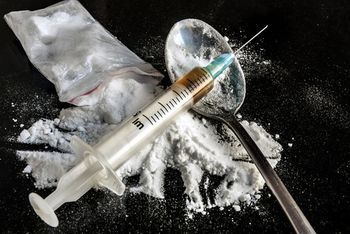
Higher rates of self-reported drug use exist among the HIV-positive population, highlighting the need for interventions in at-risk populations.
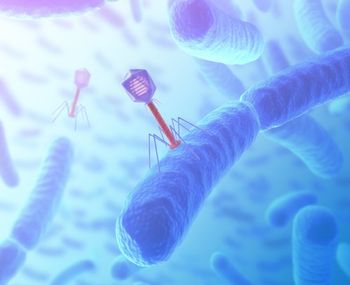
Researchers at the Weizmann Institute of Science have discovered that phages are able to communicate with each other in order to coordinate how to best approach the infection process.
Researchers at Rockefeller University in New York have discovered that a potent monoclonal antibody known as 10-1074 is highly effective at neutralizing various HIV strains.
Cancer specialists at the UT Southwestern Medical Center are reminding women to continue going for Pap smears even if they have received the human papillomavirus (HPV) vaccine.
Researchers have developed a new trivalent vaccine that has proven to provide powerful protection against genital herpes (HSV) in preclinical trials.
New Hampshire is currently experiencing a serious gonorrhea outbreak that may be difficult to contain for a number of reasons.
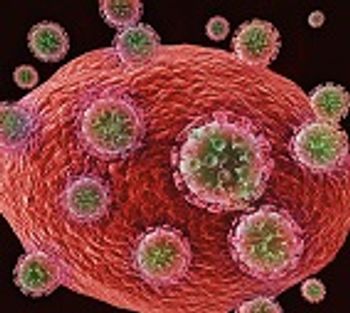
Researchers from the University of Pennsylvania identify characteristics of HIV-1 strains that are able to get through innate protective barriers and cause infection through sexual intercourse.
Researchers from Penn State College of Medicine have developed a Retro94-based compound that may be able to prevent cytomegalovirus (CMV) from copying itself.
A new study has revealed an alarmingly high rate of HPV infections in men in the United States.
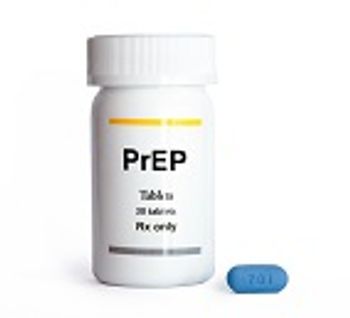
UCLA researchers have developed an online risk assessment calculator that will allow individuals to check their “PrEP score.”
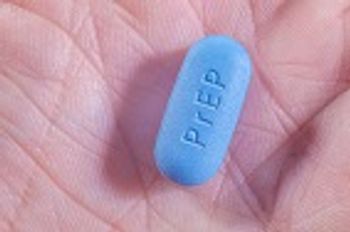
Drug “buyers clubs” that include websites such as PrEPster and I Want PrEP Now are providing a number of at-risk individuals living in the United Kingdom with HIV drugs that can potentially save their lives.
Researchers offer more insight on the role of IFN-I and find a potential therapeutic target that may be able to protect against chronic viral infections.
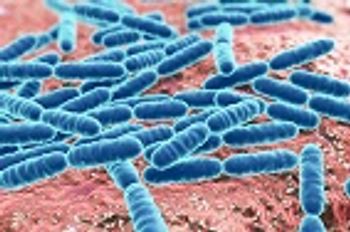
Diverse vaginal bacteria that’s deficient in lactobacilli appears to raise the risk of contracting HIV.
In a recent study, researchers found that retroviruses, such as HIV, date back to the Paleozoic Era.