

































































































































Investigators recently mapped out influenza and pneumonia cases among residents of long-term care facilities. They found distinct regional variations.
Investigators recently mapped out influenza and pneumonia cases among residents of long-term care facilities. They found distinct regional variations.
The CDC’s plan for testing patients with flu for coronavirus will inform their response strategy, should the infection spread, the agency said.

With cases of the novel coronavirus (COVID-19) increasing across the globe, why should we be paying attention to influenza—a respiratory illness that is seen year after year?

The first strain of influenza virus a person is exposed to in early childhood impacts their ability to fight flu for life. The phenomenon is known as antigenic imprinting.
There have been more than 19 million cases of influenza recorded in the United States over the 2019-20 flu season.

The US Food and Drug Administration has approved Audenz, an adjuvanted influenza A H5N1 monovalent vaccine.

As January comes to an end, we’re looking back at important infectious disease news from the past month.

This flu season seems to be disproportionately affecting young people as more than 50% of positive influenza test results from public health laboratories have been in individuals under the age of 25 years.
Although flu vaccine effectiveness estimates are not available yet for this season, authors of a new article in The Lancet Infectious Diseases are calling for new vaccines with alternative administration methods to improve the efficacy of the flu shot.
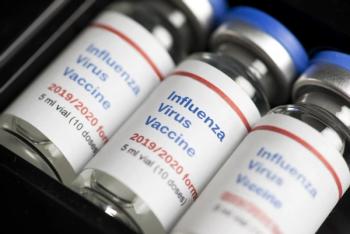
CDC estimates indicate that there have been 13 million influenza illnesses, 120,000 hospitalizations, and 6600 flu-related deaths so far this season.

Traditional influenza surveillance typically has a 1- to 3-week reporting lag and is usually preliminary and revised as more information becomes available. Therefore, more accurate surveillance tools are needed.

Jason Gallagher, PharmD, FCCP, FIDSA, BCPS, explains why everyone needs a flu shot and addresses skepticism toward the vaccine.

Stay up-to-date on the latest infectious disease news by checking out our top 5 articles of the week.

Jason Gallagher, PharmD, FCCP, FIDSA, BCPS, discusses changes in public health and society since the early 20th century in response to speculation about whether large-scale global pandemics are still possible in the 21st century.
Fewer Massachusetts health care workers receive influenza vaccines than is required by the state; how to spot the difference between the flu and other illnesses with similar symptoms; and more of the latest flu news as we enter 2020.

An international study offers new insight on cases of influenza hospitalization among pregnant women.

Between September 29-December 28, 2019, influenza B viruses accounted for 59.2% of influenza-positive results reported nationwide. Of these isolates, 97.9% belonged to the B/Victoria lineage.

In a head-to-head comparison, investigators found that 3 enhanced flu vaccines provided better protection for elderly patients compared to standard-dose vaccines.

Even as hospitals try to stop health care-associated illnesses, they can often have difficulty identifying which employees are too sick to work. New research suggests a high number of health care employees work while experiencing symptoms of illness.

Study finds coinfection is unlikely as Europe braces for influenza A.

Influenza vaccination offers protection against illness and death for heart disease patients. The possibility of treatment-resistant influenza. The earliest, strongest US flu season in 15 years. What’s new in flu news this week?

Asthma patients benefited from flu vaccines, according to a study that examined 6 influenza virus seasons.

Facebook joins the fight against the flu. The FDA approves an influenza vaccine for adults age 65 years or older. What’s new in flu news this week?
Overall deaths of young children attributable to lower respiratory infections have dropped by more than half in the past 3 decades. However, the rate of death remains far too high considering that most of these deaths are preventable.
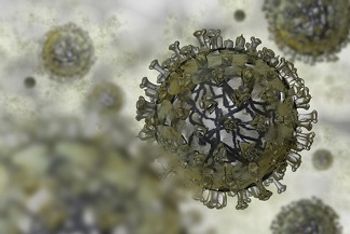
A new study from ECDC investigators highlights mortality and risk factors associated with seasonal influenza.