




Antibiotics
Latest News

Expanding Phage Diversity for One Health: Challenges and Opportunities
By Sophia Abene

Pneumococcal Vaccine Earns Positive Opinion from the European Union Committee for Medicinal Products for Human Use
By Sophia Abene
Advertisement
Latest Videos








CME Content





















































































































Advertisement
More News

Robert Allen, MD, on variant monitoring, antibody development, and the company's long-term approach to patient care.
Robert Allen, PhD, discusses how Pemgarda’s stability in targeting the spike protein's receptor-binding domain offers crucial protection, including immunocompromised individuals.

Gregory Fox, PhD discusses the V Quinn trial's results, exploring levofloxacin’s role in reducing TB incidence and the study's approach to combining data with the TB Champ trial.
Intravenous (IV) push is an attractive option to administer antimicrobial therapy to patients in an efficient and effective manner in a variety of clinical settings. While many advantages to IV push administration exist, clinicians should be mindful of available literature regarding safety profiles, pharmacokinetic/pharmacodynamic characteristics, and clinical data for IV push antimicrobial administration prior to utilizing it in specific patient populations.

Vaccines and treatments are up for approval in early to mid-2025, including a chikungunya vaccine, a meningococcal vaccine, a monoclonal antibody for RSV, and more.

Oral omadacyline or linezolid was equally efficacious to intravenous dosing for acute bacterial skin infections, and associated with less cost and risks.

Here is a novel use of ceftaroline to treat methicillin-resistant Staphylococcus epidermidis ventriculitis in a preterm infant with a ventriculosubgaleal shunt.

Abdulwhab Shremo Msdi, PharmD, offers insights on its complexities, why institutions have been slower to include this dosing technique, and why clinicians need to consider this approach.

In a retrospective cohort study, a health system found this form of prophylaxis led to substantial reductions in 2 of 3 sexually transmitted infections (STIs) in a mostly male population.
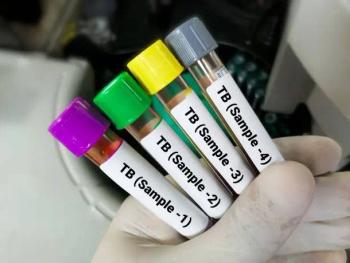
New recommendations emphasize shorter, all-oral regimens for both drug-susceptible and drug-resistant TB.

Exploring the challenges and strategies for combating MDR Pseudomonas aeruginosa infections, as discussed with Jason Pogue, PharmD, BCPS, BCIDP
Jason M Pogue, PharmD, BCPS, BCIDP discusses the findings, pharmacokinetics, why ceftolozane-tazobactam may be the preferred choice for resistant infections, and more.

A small phase 2 study evaluated Debiopharm’s investigational antibiotic, afabicin, including its clinical response rate and safety profile of 2-3 weeks of treatment for staphylococcal bone and joint infections (BJI).

Amesh A. Adalja, MD, FIDSA outlined the importance of recognizing antibiotic resistance in healthcare settings, educating patients on responsible antibiotic use, and the need for new treatments and diagnostic tools.

Investigators propose limiting initial use of antibiotics for group A streptococcal pharyngitis in children after finding placebo noninferior in reducing symptoms.

The Clinical and Laboratory Standards Institute (CLSI) Subcommittee on Antimicrobial Susceptibility Testing had its series of meetings to update breakpoints for a variety of classes of antimicrobials.

With AMR being a global priority, biosecurity-type policy around resistance may be part of the solution.

Jose Alexander, MD, offers some insights on the antimicrobial and its activity against various gram-negative pathogens such as pseudomonas, enterobacterales.

At ID Week 2024, in a late-breaking presentation, investigators are reporting it is safe to cut the antibiotic regimen in half without endangering patients for these infections.

A holistic, multifaceted approach with a variety of stakeholders are needed to address antimicrobial resistance (AMR). The recent UN meeting on this topic looked to bring together government leaders, industry, and public health officials to discuss strategies regarding the global health crisis.

The ideal parameter for vancomycin monitoring is the area under the curve, which can be calculated using pharmacokinetic equations or Bayesian software.

Part 2 with James F Cummings, MD, as he discusses the need for a stronger response to emerging variants, the importance of protecting high-risk populations, and the potential to reduce vaccine hesitancy through easier administration.

Jennifer Quinn, head of Global Value & Access, Debiopharm, offers insights on pull incentives and how they look to get more antibiotics to market.

This study revealed a significant decline in MSSA and a corresponding rise MRSA, particularly linked to COVID-19 social isolation measures.

A novel test is looking to ascertain this diagnostic information quickly to aid clinicians in making a determination of infections and more efficiently prescribe antimicrobials.
Advertisement
Advertisement
Trending on Contagion Live
1
Pritelivir Improves Outcomes in Immunocompromised Patients With Refractory Herpes Simplex Virus
2
HIV in the Black Community: Shifting from Stigma and Health Inequalities to Communication and Care Initiatives
3
Measles Update: February 6, 2026
4
Antibiotics Deconstructed: IV Fosfomycin
5